queen of the hills of Eastern Nepal
Visit
chainpur
Eastern Nepal
A TOWN ABOVE THE ARUN
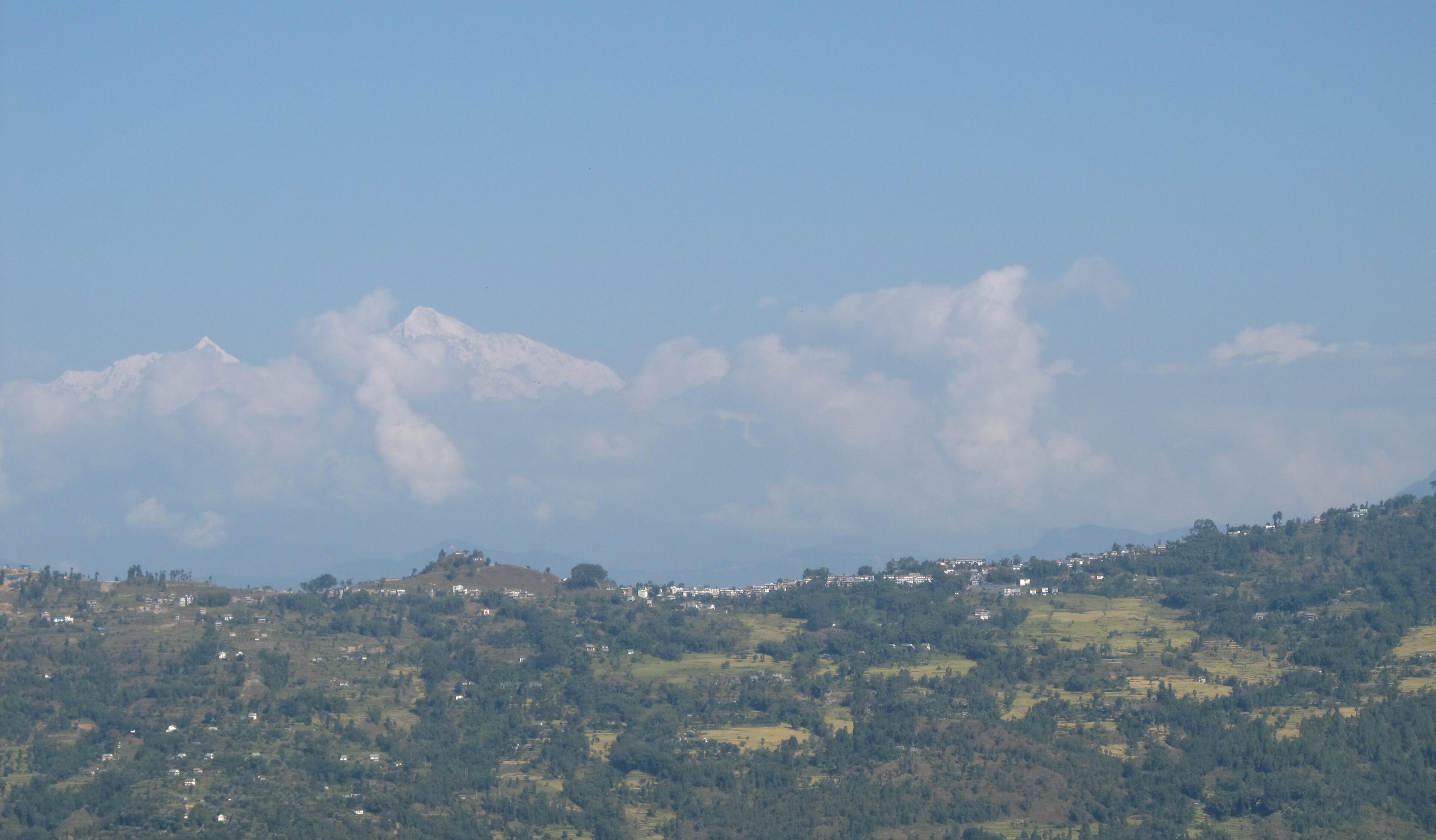
Perched at around 1,250 metres in Sankhuwasabha, Chainpur is one of eastern Nepal's oldest hill bazaars — a trading post on the old Arun valley routes and a gateway on the classic approach toward Makalu. Long before it was a stop for trekkers, it was a meeting point for the peoples of the eastern hills, and for a time the district's headquarters. On clear mornings the snow peaks sit on the horizon; below them, stone-paved streets wind between timbered houses that have watched over the valley for generations.
A TOWN THAT WORKS IN METAL
HAMMERED BY HAND
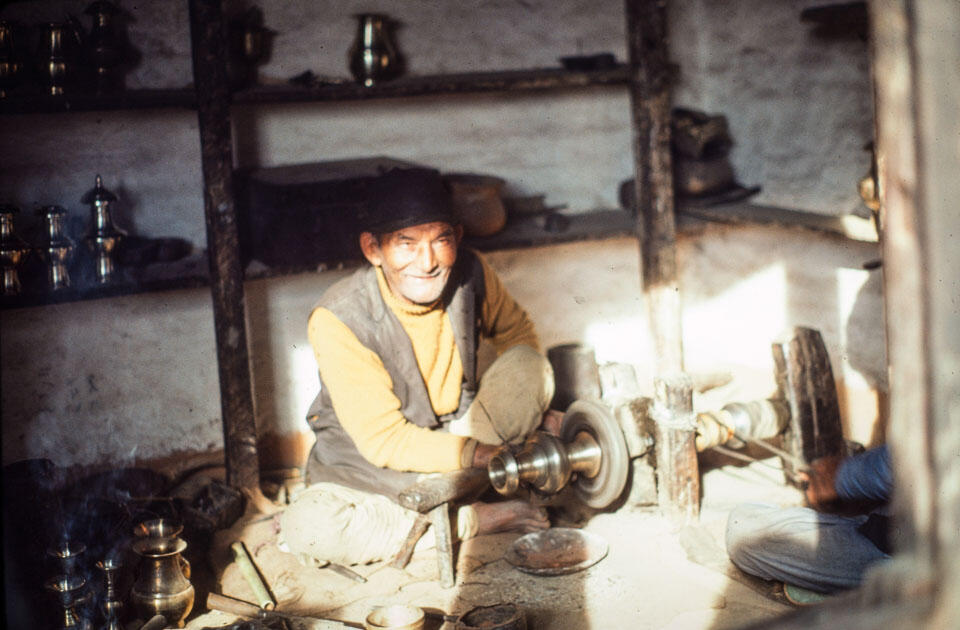
When a Peace Corps volunteer photographed Chainpur in 1970, he wrote of clean streets, industrious people, and "the sound of artisans hammering on brass objects all day long." Half a century on, that sound still carries through the bazaar. Chainpur is famous across Nepal for its karuwa — the ornate brass and copper water vessel with a curved neck and an intricately carved cap, shaped entirely by hand. The same forges also turn out fine khukuri blades. This is not craft made for display; it is a living trade, passed down through families for hundreds of years.
LIMBUWAN LEGACY
EVERY PATH A STORY
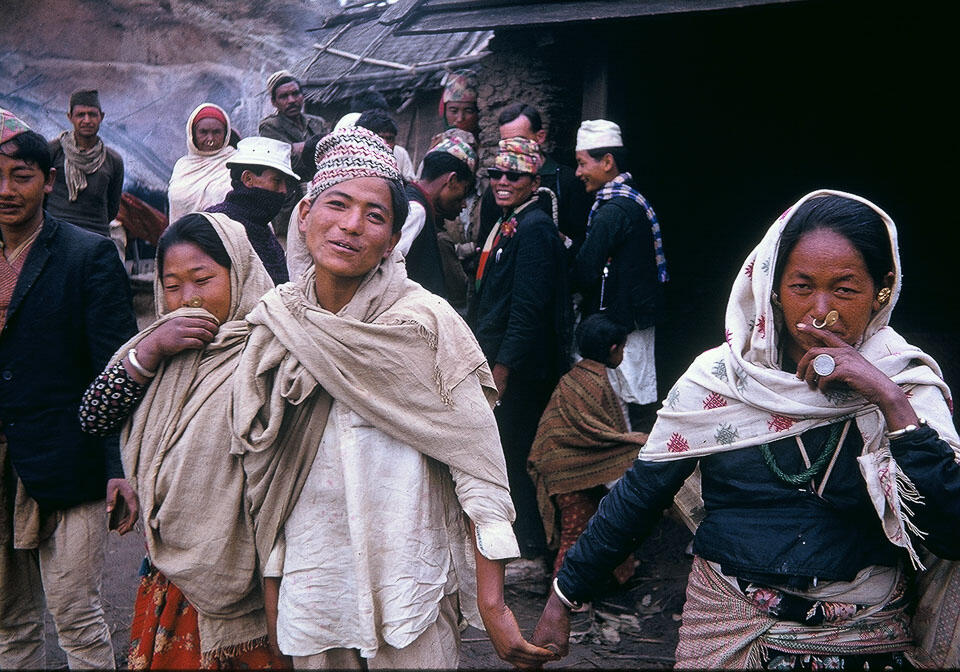
Once tied to the old Limbuwan kingdom, Chainpur carries its history in its architecture and its people — a compact town best explored on foot. Its clean, stone-flagged lanes and old shopfronts have earned it a reputation as one of the most orderly and welcoming bazaars in the hills. Newar, Limbu and other communities have long shared these streets, and their traditions still shape the rhythm of daily life, market days and festivals.
TEMPLES & PILGRIMAGE
sacred Ground
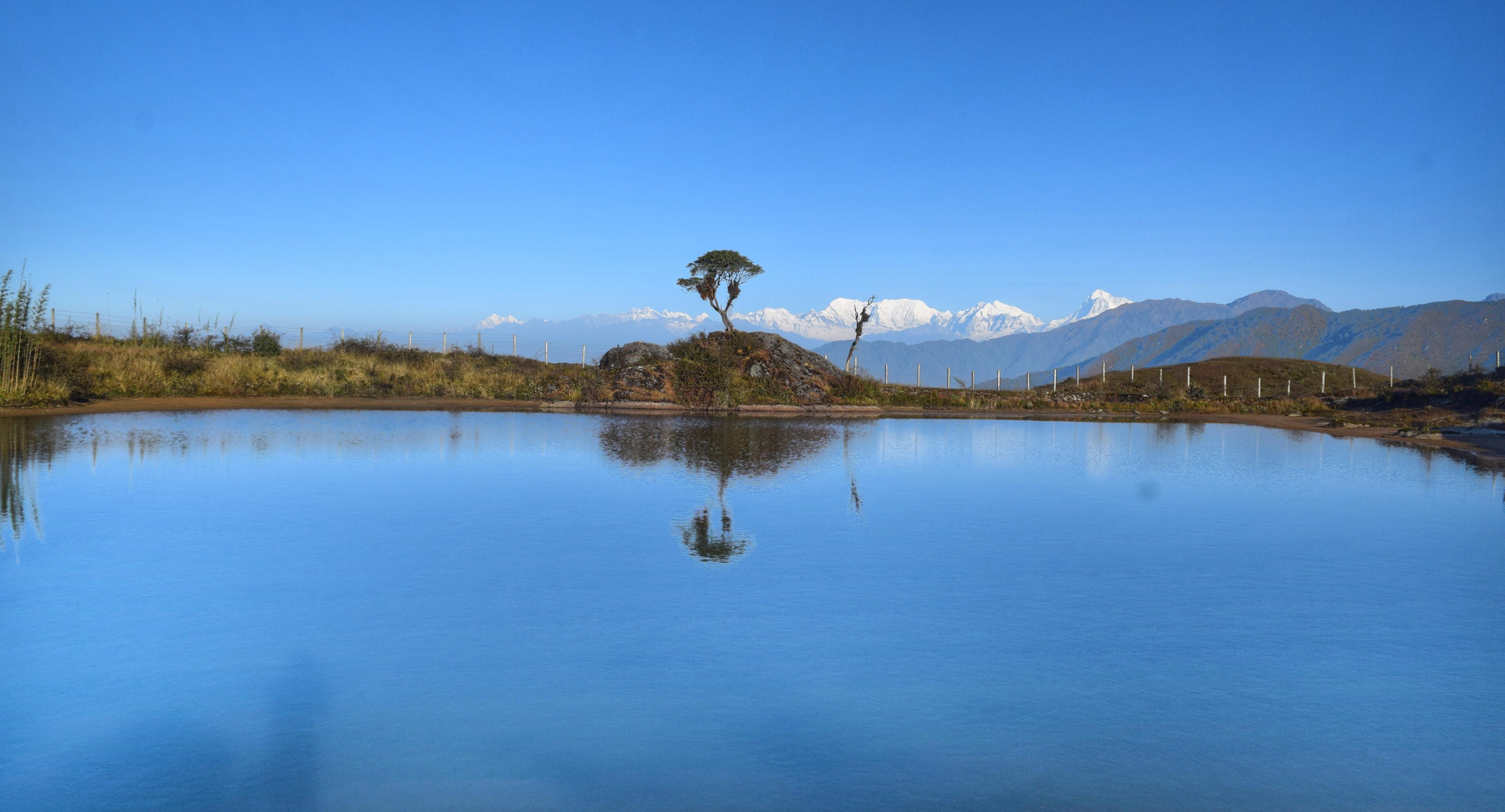
Local lore holds that the right eye of the goddess Sati fell here, and the Siddhakali Temple rose on that spot — today the town's most revered site. Nearby, Baneshwor hill draws worshippers, and the Waleshwor Mahadev cave shelters one of the largest natural shivalings anywhere. Higher up, the sacred lake of Gupha Pokhari, ringed by rhododendron and pine, is honoured by Hindus and Buddhists alike.
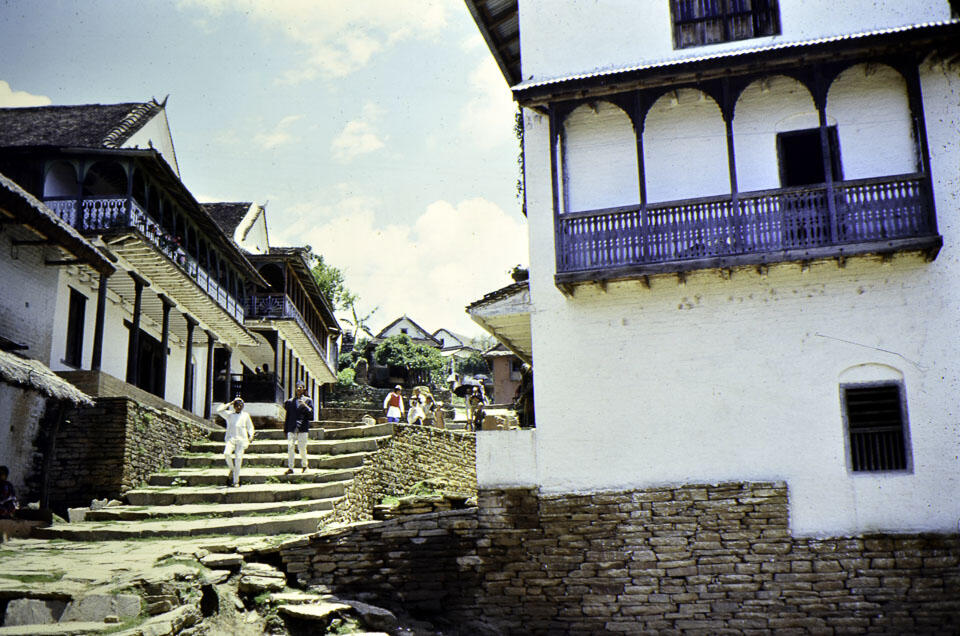
THE PHOTOGRAPHS THAT STOPPED TIME
THEN & NOW
Few places let you stand inside an old photograph and find it hasn't changed.Here is the bazaar in 1970. Here it is today. The same carved balconies. The same climbing street. The same ring of hammer on brass at first light. A whole world has turned over in fifty years — and Chainpur has kept its face.That's the invitation this town makes. Not to see something new, but to step into something that has quietly refused to disappear.